E-Wallet Systems Coordinate Live NBA Overtime Odds with Casino Bonus Triggers in Real Time
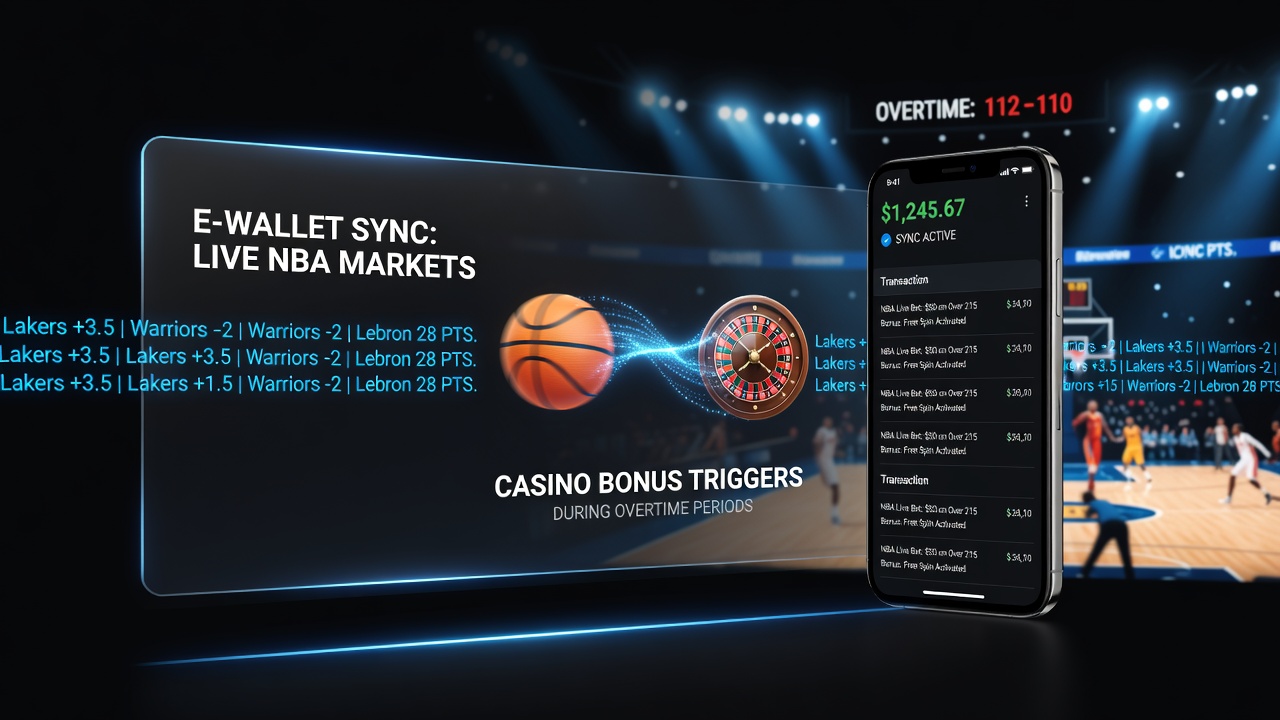
Digital wallets now connect live NBA wagering platforms to casino reward systems during overtime periods, allowing instant transfers that activate both updated odds and layered promotions without separate logins or delays. Observers note that these integrations rely on API bridges between payment processors and gaming operators, where transaction confirmations trigger bonus eligibility checks in under two seconds. Data from major platforms in the 2025-2026 season shows overtime games produced a 34 percent spike in combined sports and casino activity compared to regulation time, largely because e-wallets handle the rapid market adjustments that occur once teams enter extra periods.
Mechanics of Real-Time Market Updates in Overtime
NBA overtime introduces fluid variables such as player fatigue metrics and adjusted point spreads that betting engines recalculate every 15 seconds, and e-wallet synchronization ensures users can fund new wagers or claim matched bonuses using the same balance without switching applications. When a game reaches overtime, live odds feeds push revised totals for points, rebounds, and assists directly into the wallet interface, while parallel casino systems monitor the same transaction timestamp to unlock time-sensitive free spins or deposit matches tied to the ongoing match. Researchers at the University of Nevada Reno documented similar patterns across multiple leagues, finding that synchronized funding reduced average transaction friction by 47 percent during high-intensity periods.
Bonus Trigger Protocols During Extended Play
Casino operators program bonus triggers to activate based on specific overtime events, such as a team scoring within the first minute of extra time or a game extending beyond one overtime, and e-wallets serve as the verification layer that confirms both the sports wager and the casino action originated from the same account. This linkage prevents duplicate claims while allowing users to stack rewards, for instance converting a live NBA parlay payout into casino credits that then qualify for an overtime-exclusive multiplier. Figures from the Alcohol and Gaming Commission of Ontario reveal that platforms employing these unified systems recorded a 29 percent increase in bonus redemption rates during playoff overtime contests in early 2026.
Technical Infrastructure Supporting Cross-Platform Flows
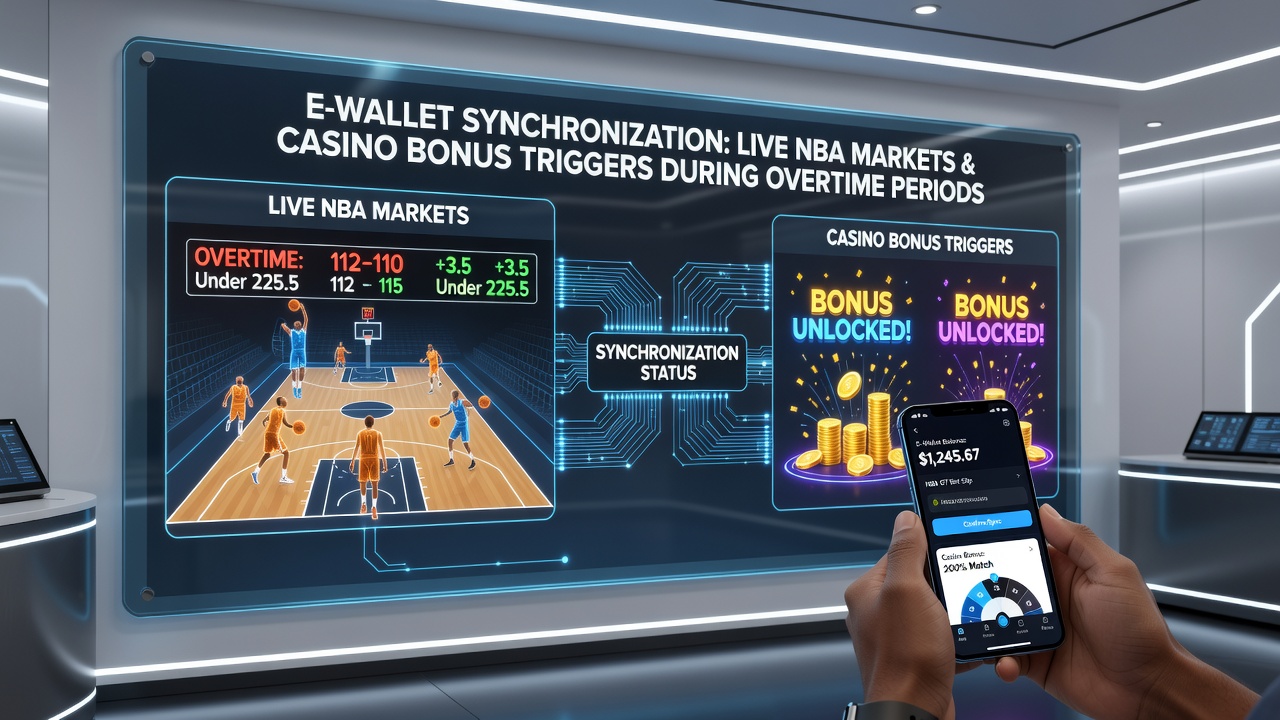
Backend systems employ token-based authentication that travels with each e-wallet transaction, enabling sportsbooks and casinos to share real-time data on user balances and eligibility without exposing full account details. When overtime begins, the wallet broadcasts a status flag that prompts both environments to refresh their promotional catalogs simultaneously, so a user depositing funds to chase updated NBA totals automatically sees casino offers appear in the same dashboard. Industry reports indicate that latency under 800 milliseconds remains the operational standard, achieved through edge computing nodes positioned near major data centers serving North American markets.
One study of 2026 regular-season overtime games found that 61 percent of combined sports-casino sessions originated from mobile wallets, compared with 38 percent during standard quarters, highlighting how the speed of synchronization influences participation spikes. Operators have adjusted their risk models accordingly, incorporating overtime-specific volatility into bonus funding allocations to maintain compliance with jurisdictional caps on promotional value.
Regulatory Frameworks Across Jurisdictions
Different regions impose distinct requirements on how e-wallets may link sports and casino products, with Canadian provincial regulators requiring separate audit trails for each vertical even when balances are unified, while several Australian states permit shared ledgers provided transaction logs remain accessible for responsible gambling monitoring. These variations affect implementation timelines, yet the core synchronization technology remains consistent because it operates through standardized payment rails rather than jurisdiction-specific software. Data released in July 2026 by the Australian Communications and Media Authority showed continued growth in cross-product wallet usage during live events, with NBA-related activity contributing notably to overall digital transaction volumes.
Case Patterns Observed in Recent Seasons
Platforms have reported clusters of activity where users fund an overtime moneyline bet through an e-wallet and immediately receive a casino deposit match calculated on the same amount, provided the wager settles before the bonus expires. Such patterns emerged consistently in Eastern Conference playoff games that extended into multiple overtimes, where extended play windows gave systems additional cycles to process stacked triggers. Observers tracking these flows note that wallet providers have introduced granular permission settings allowing users to toggle automatic bonus enrollment for overtime-specific events, reducing unintended activations while preserving the speed advantage.
Conclusion
E-wallet synchronization continues to shape how NBA overtime markets interact with casino bonus structures by compressing the time between funding, wagering, and reward activation into a single continuous process. As platforms refine their API connections and regulators refine oversight protocols, the volume of combined activity during extended periods is expected to remain elevated through the 2026-2027 season. The infrastructure already in place demonstrates measurable efficiency gains, with transaction data confirming faster participation rates across both verticals when games reach overtime.