Unified Transaction Frameworks Supporting Multi-Level Reward Structures in Ongoing Athletic Competitions
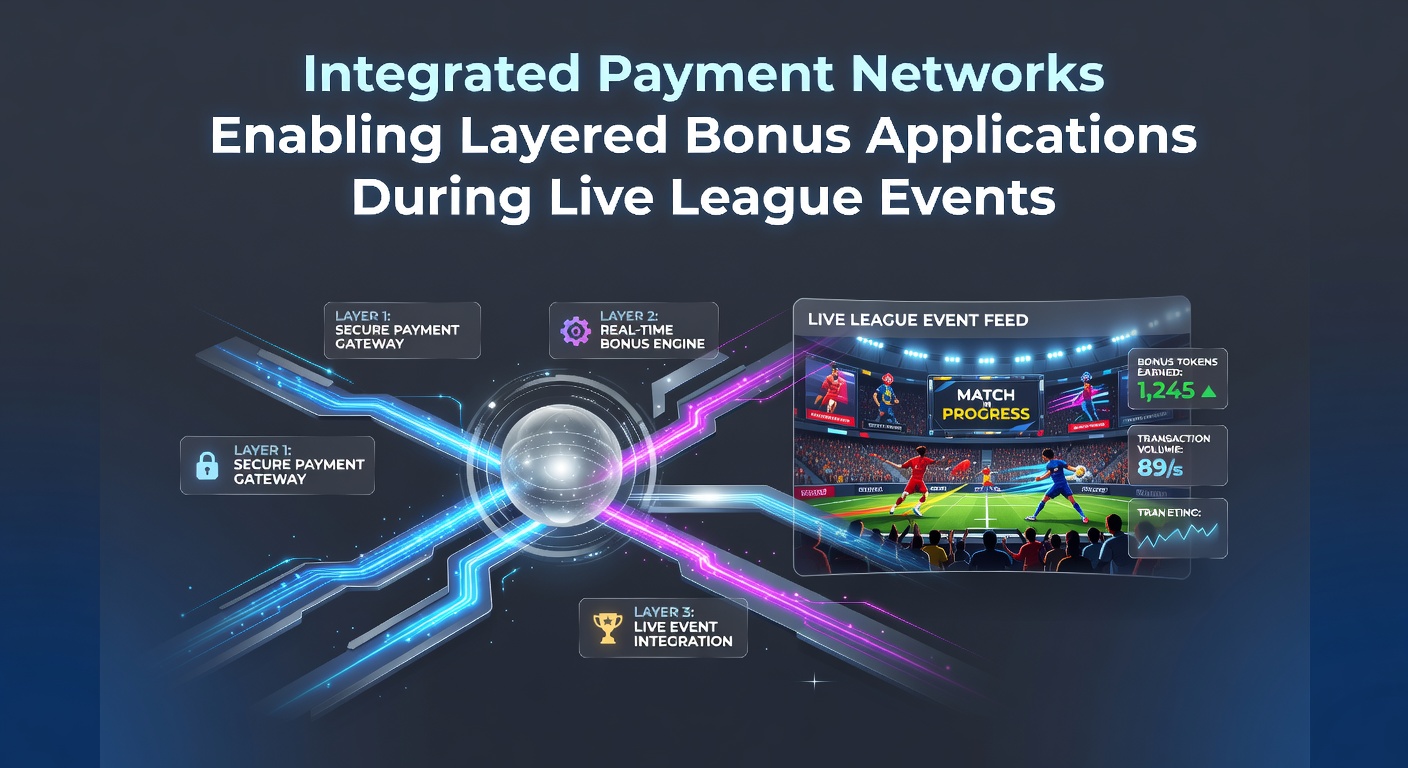
Payment systems now connect live league markets directly to promotional layers that activate during games, allowing participants to combine wagers with additional incentives without separate transactions. These networks handle real-time transfers that trigger bonus applications across sports betting and gaming platforms simultaneously, which creates stacked opportunities tied to specific moments in matches.
Networks achieve this integration through APIs that link betting exchanges, digital wallets, and casino systems into single flows. When a user places an in-play bet on a league event, the same infrastructure can apply a related promotion such as free spins or deposit matches if conditions align with ongoing game data. Data from transaction processors indicates that such connections have expanded in markets where regulations permit combined offerings.
Mechanics of Network Integration During Live Events
Systems operate by synchronizing odds feeds with payment ledgers so that bonus eligibility updates as scores change or periods end. For instance, a late-game field goal in football might unlock an additional reward layer if the payment network has already flagged the user's prior activity. This process relies on secure token exchanges that prevent delays between the bet placement and the incentive application.
Developers design these frameworks to handle high volumes during peak league windows, using cloud-based routing that directs funds to the appropriate accounts while logging compliance markers. Reports from the European Gaming and Betting Association highlight how standardized protocols have reduced processing times to under three seconds for most layered transactions in monitored jurisdictions.
Regional Adoption Patterns and Data Trends
Markets in North America and parts of Asia show distinct growth in these combined systems since early 2025. Figures from regulatory filings in Pennsylvania and New Jersey reveal increased handle volumes during NBA and NFL seasons when platforms offered instant bonus stacking via unified payments. Similar patterns appear in Australian states where state-level oversight permits such integrations.
One study released by the National Council on Problem Gambling examined transaction logs from 2025 and found that users engaged with multiple product types more frequently when payment networks eliminated the need for repeated logins or balance checks. The data covers sessions across several professional leagues and notes correlations with specific game events rather than overall session length.
Security and Compliance Considerations
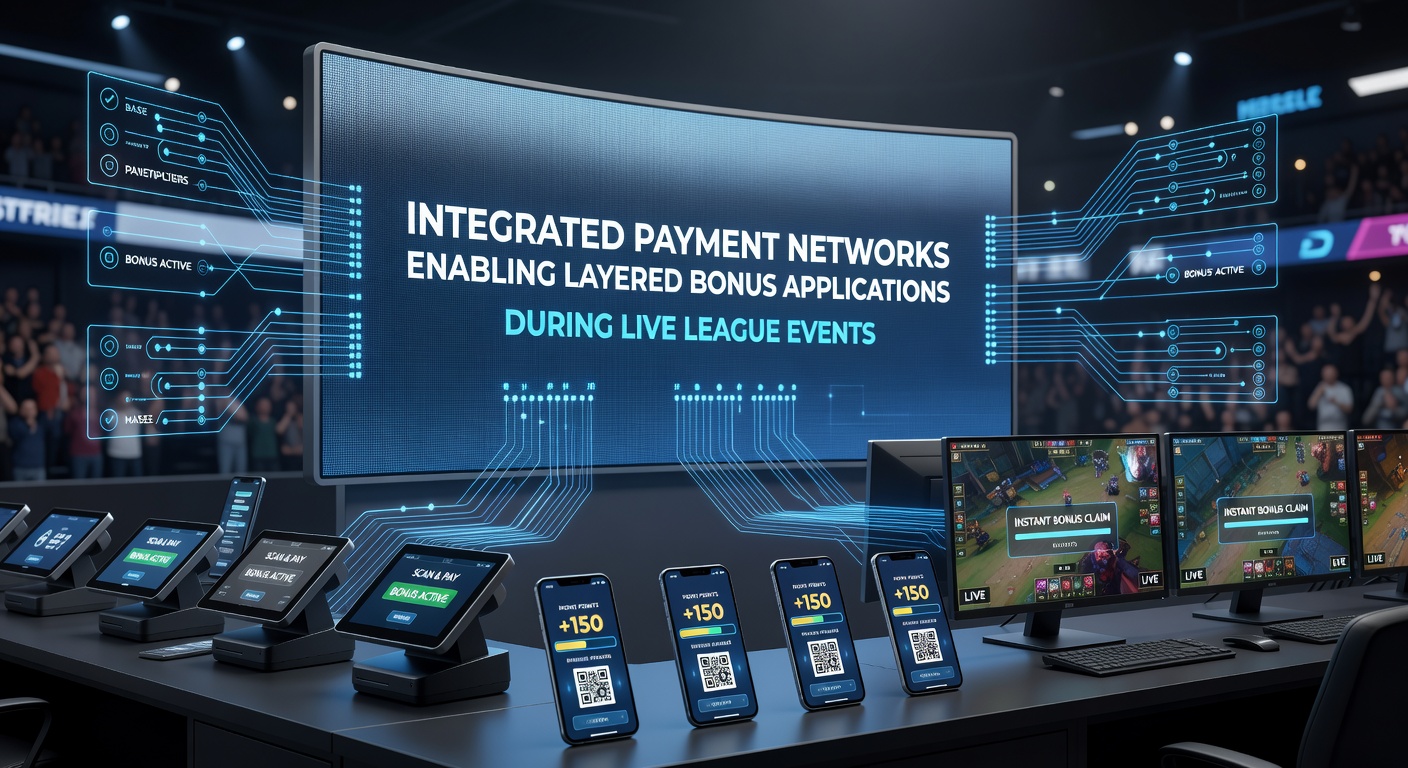
Operators implement encryption standards and real-time monitoring to verify that layered bonuses meet territorial rules. Automated checks flag accounts when activity crosses spending thresholds or when geographic restrictions apply, which keeps the networks aligned with local gaming authorities. As of June 2026, several platforms have updated their protocols to include additional verification steps during high-traffic league periods.
Industry groups continue to refine data-sharing agreements so that payment processors receive game-state updates without exposing personal betting details. These measures support audit trails required by oversight bodies while maintaining the speed necessary for live-event functionality.
Future Developments in Network Capabilities
Technical roadmaps point toward greater use of predictive routing that anticipates bonus triggers based on historical league patterns. Such advancements could further reduce friction by pre-authorizing reward layers before key moments occur in matches. Observers note that partnerships between payment providers and league data suppliers are expanding to support these features across additional sports.
Testing continues in controlled environments to measure latency under simulated peak loads similar to championship games. Results from these trials inform adjustments to bandwidth allocation and failover systems that keep transactions stable during extended overtime periods or unexpected game delays.
Conclusion
Integrated payment networks have established direct pathways that allow layered bonuses to activate alongside live league wagers, supported by synchronized data and compliance tools. Current implementations demonstrate measurable increases in multi-product engagement where regulations allow, with ongoing refinements focused on speed and verification. Continued collaboration among technology providers, regulators, and sports organizations shapes how these systems evolve through 2026 and beyond.