Unified Transaction Networks Fuel Integration of Athletic Live Markets and Gaming Incentives
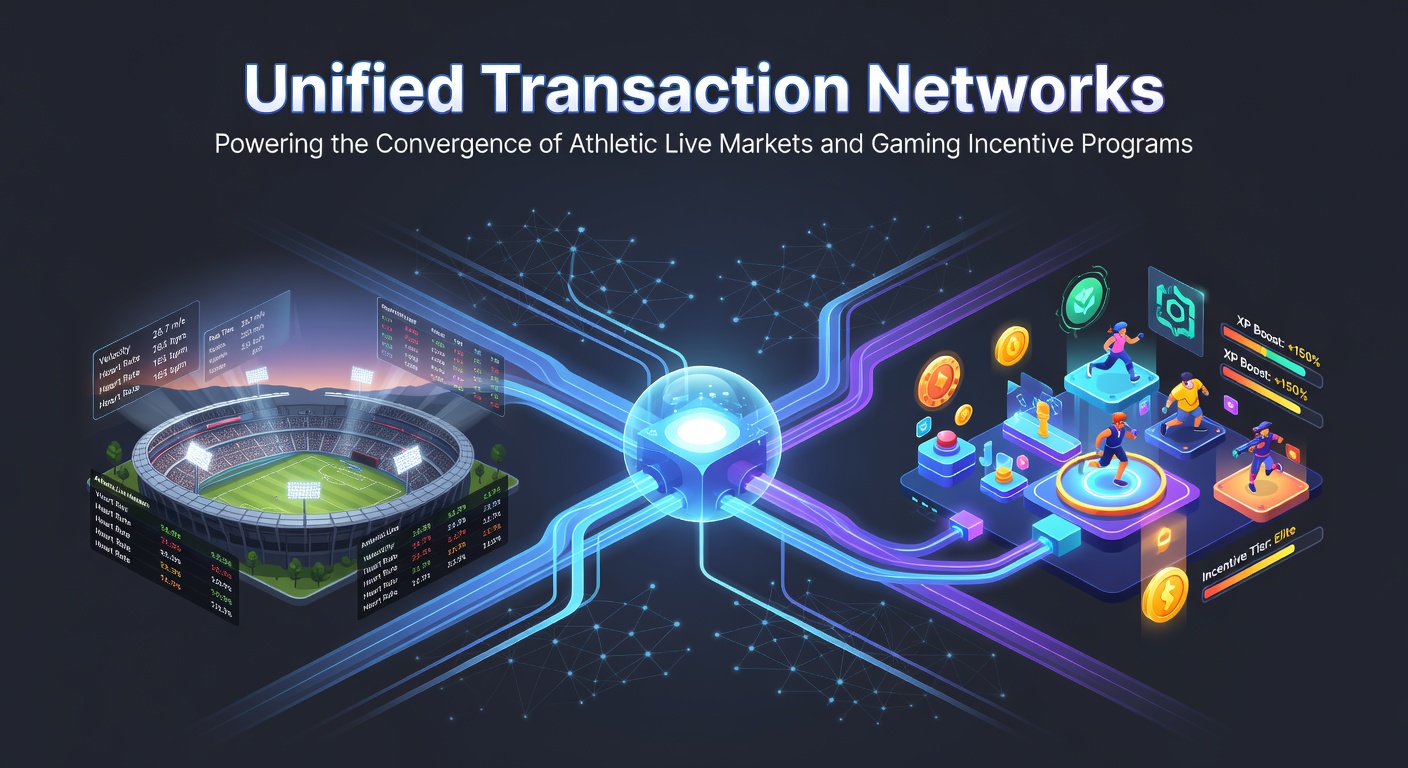
Unified transaction networks have emerged as central infrastructure for linking live athletic betting markets with gaming incentive programs, and data from industry reports shows these systems handle simultaneous transfers of funds, odds updates, and reward accruals across platforms. Observers note that the architecture relies on shared APIs and ledger protocols that synchronize real-time sports wagers with casino loyalty ledgers, while regulatory filings indicate adoption accelerated after 2024 multi-state compacts expanded digital access. In May 2026 several North American operators reported that transaction volumes through these networks exceeded prior quarterly benchmarks by double-digit margins, according to aggregated figures released by state oversight bodies.
Core Components of Unified Networks
These networks combine payment rails, identity verification layers, and event-streaming engines into single pipelines, and researchers at academic institutions have documented how blockchain-based settlement modules reduce latency between a live sports market adjustment and an immediate bonus credit in a connected casino account. Data indicates that operators integrate these components through standardized messaging formats, which allow a wager placed on an NBA in-play line to trigger tiered reward points that appear in the same session as slot or table game promotions. Those who've studied the protocols explain that encryption standards and multi-party computation keep each transaction isolated yet visible to audit trails required by licensing authorities.
What's interesting is the way these networks manage settlement across jurisdictions, because separate regulatory regimes in different states or provinces demand distinct tax reporting and player fund segregation rules, yet the unified layer routes each transaction to the correct compliance module without manual intervention. Figures from the American Gaming Association reveal that participating operators processed over 40 million cross-product transactions in the first quarter of 2026, with average settlement times dropping below two seconds for most live market movements.
Real-Time Data Flows and Incentive Synchronization
Live athletic markets generate continuous odds streams, and unified networks capture those streams to recalculate incentive eligibility on the fly. One study released by the Australian Gambling Research Centre found that synchronization between live NFL or soccer markets and casino reward multipliers increased player session duration when the networks executed automatic credit updates. The same research indicated that operators using these systems recorded higher redemption rates for bonus offers tied to in-game milestones, such as a three-point shot triggering a free spin allocation.
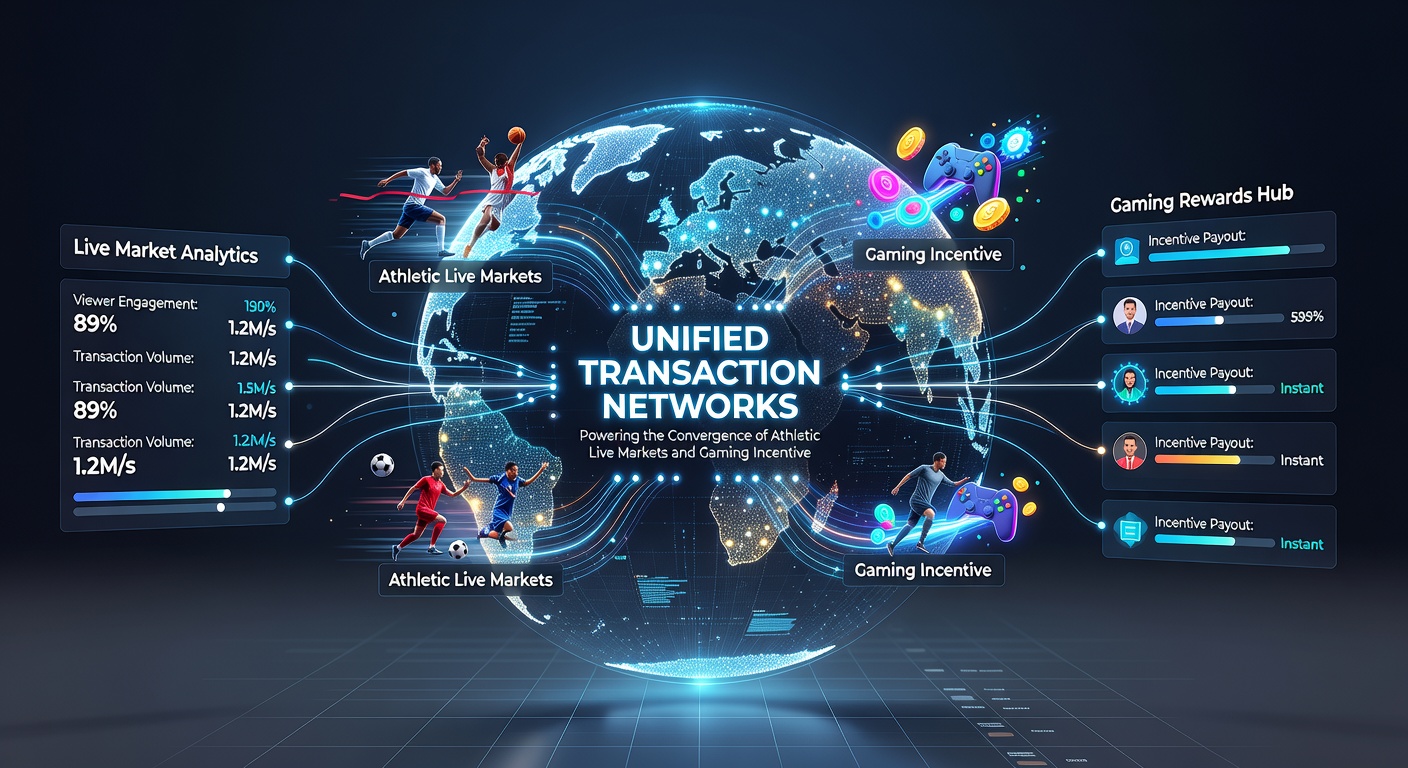
Operators deploy event listeners that monitor both sports data feeds and gaming activity logs, then apply rule engines to determine whether a wager qualifies for stacked rewards. According to technical documentation shared at industry conferences, these listeners operate on sub-second intervals, which permits a late-game NBA basket to adjust both the sports payout and an attached casino promotion within the same transaction batch. Regulators in Ontario and several European markets have required independent audits of these rule engines to confirm that no preferential treatment occurs between products.
Regulatory Developments Through Mid-2026
By May 2026 licensing authorities in multiple jurisdictions had updated their technical standards to address unified transaction networks, and guidance documents emphasize requirements for real-time reporting of cross-product transfers. The Nevada Gaming Control Board published revised specifications that mandate separate accounting for sports and gaming funds even when processed through shared ledgers, while similar frameworks emerged in Australian states following consultations with local research bodies. Compliance teams at major operators report that these rules have driven investment in modular software that isolates each product category within the same network infrastructure.
International coordination efforts have also surfaced, because operators licensed across borders must satisfy varying data localization rules. Trade associations note that working groups formed in late 2025 produced model clauses for data sharing agreements that preserve player privacy while allowing incentive programs to function across markets. Evidence from compliance filings shows that operators adopting these model clauses encountered fewer audit findings related to transaction reconciliation.
Implementation Examples Across Markets
Take the case of a multi-state operator that deployed a unified network in early 2026, where live college basketball markets connected directly to casino reward tiers; transaction logs released under public records requests show that players received loyalty points calculated from both the sports outcome and concurrent gaming activity without separate logins. Similar patterns appear in Canadian provinces, where iGaming platforms use centralized payment processors to merge live hockey betting with slot bonus structures, and aggregate data published by provincial regulators indicates steady growth in combined handle figures.
European operators have tested comparable integrations under frameworks established by the Malta Gaming Authority, and published case summaries describe how football match events trigger casino free bet credits through the same settlement rail. These examples demonstrate consistent architecture even when local rules differ on advertising and bonus terms.
Conclusion
Unified transaction networks continue to expand the technical bridge between athletic live markets and gaming incentive programs, and available data from regulatory filings and research institutions shows measurable reductions in processing times alongside increased cross-product activity. As standards evolve through 2026 and beyond, observers expect further refinements in audit capabilities and cross-jurisdictional data handling, which will shape how operators maintain compliance while delivering synchronized experiences. The infrastructure already in place provides a foundation for continued integration across additional sports and gaming verticals.